If a late fee or overdraft charge hit your account because Chase’s online banking went down on Monday, November 16, 2026, you can ask the bank to take it back. The Consumer Financial Protection Bureau says customers should request credits for late, overdraft and insufficient funds fees caused by an outage.
That advice is suddenly very practical. Starting around 9:53 a.m. ET, nearly 10,000 Chase customers reported problems on Downdetector, mostly with logging in. Customers of Bank of America, Wells Fargo and U.S. Bank also reported trouble cashing checks, withdrawing cash and moving money.
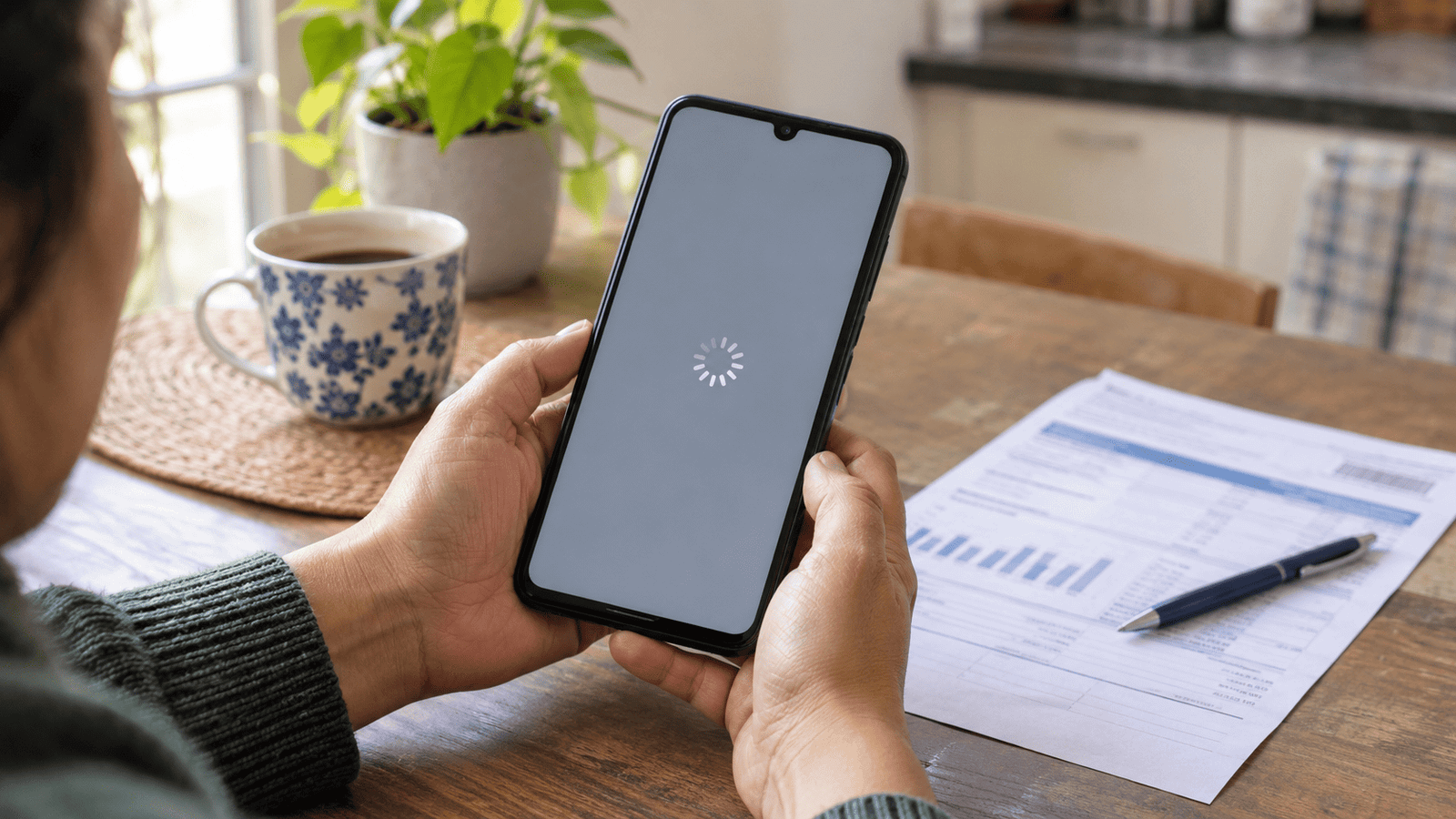
Chase’s app showed a short notice: “Some services aren’t available. We’re working on them. Please try back later.” As of the afternoon of November 16, the bank had not given a cause, and it had not announced automatic fee refunds.
The fee won’t reverse itself
The CFPB’s guidance puts the request on you. Once your app works again, look for any charge dated November 16 or later that you didn’t expect: a late fee from a bill that didn’t go out, an overdraft or an insufficient funds fee.
Then contact Chase, or your own bank if it was also affected, and ask for a credit. The agency also includes fees for withdrawals or deposits you had to make another way because online access was down.
Write down what failed and when. Having the date, the bill and the amount ready makes the request easier to explain.
Before a payment slips
Automatic payments are where an outage can turn into real money. The CFPB says to confirm whether automatic withdrawals are still processing. If they aren’t, pay by another method, on time if you can.
Other ways to reach your money include an ATM, a check or cash at a branch. If online access is down, the agency suggests calling the number on the back of your card.
The call you shouldn’t take
Outages are also when fake “bank support” messages tend to show up. The CFPB’s rule is simple: only contact your bank through the number on your card or statement, and be wary of unexpected texts, emails, calls or social media messages that claim to come from it. Don’t post account details while venting online, either.
The glitch doesn’t put your savings at risk. The CFPB notes that deposits at FDIC-insured banks and NCUA-insured credit unions stay protected up to $250,000 during an outage.
This is general information as of November 2026, not financial advice. If a fee stays on your account, the CFPB takes complaints about checking accounts online or at (855) 411-2372.
Once your app is back, scroll your recent transactions and flag any fee dated November 16.