Fado is still alive and evolving. Between Portuguese guitars and new voices, this tradition reinvents itself without losing its essence: to excite with truth and feeling. Fado is a melancholic song that narrates impossible loves, nostalgia, and the destiny of people who learned to transform their pain into art, becoming the musical symbol of Lisbon and the pride of Portugal. 🇵🇹
The word Fado comes from the Latin word, fatum, meaning “fate.” It’s a deeply emotional Portuguese music style, usually sung by a single performer, accompanied by a classical guitar and the iconic Portuguese guitar. Today, Fado is one of Portugal’s most powerful cultural symbols, a moving art form that captures the soul, identity and poetry of the people.
The first known mentions of Fado as a musical style date back to the late 19th century. Before that, the word “Fado” wasn’t even related to music! It officially emerged around 1874, when the genre was already spreading through Portuguese society as a new form of expression, a feeling that only remains in the soul when you miss someone. Those lyrics and that feeling of singing are a part of Portuguese history.
Its exact origins remain a mystery, a subject that continues to fascinate researchers. Although this has not been proven, some theories link it to ancient Moorish songs. What we do know is that around 1840, Fado began to resonate through the streets of Lisbon. At first, it was a sailor’s song, performed on the decks of ships facing the vast Atlantic, of those sailors who went to sea and whose families never saw them again. That first sailor’s Fado inspired other later styles, such as Fado corrido. From this emerged the Fado singers, the singers who conveyed the spirit of Fado through their music, their style, and their unapologetic attitude.
Legendary Voices 🎤
Recognized as the first great voice of Fado, Maria Severa Onofriana became a mythical figure in Lisbon’s Fado scene during the mid-19th century. She was the first woman known for singing, playing, and dancing this soulful genre, embodying the spirit and emotion of the Portuguese people. Through her voice, she expressed the deepest and most heartfelt sentiments of an entire nation.
Other legendary names who helped shape the legacy of Fado include Amália Rodrigues, Carlos do Carmo, and Alfredo Marceneiro.
Icons of Contemporary Fado 🎤
Today’s Fado artists are redefining what it means to be a Fadista. Blending timeless tradition with modern influences, they prove that Fado is not only a reflection of the past but a living expression of today’s emotions.
Among the leading voices of contemporary Fado are Mariza, Madredeus, Ana Moura, Camané, Katia Guerreiro, and Dulce Pontes.
And what about the guitarists? 🪕
Guitarists are the soulmates of every Fado fan. The Portuguese guitar, with its teardrop shape, 12 steel strings, and shimmering sound, is essential to the magic of Fado. Played with a tiny pick called a thimble, it produces that captivating, melancholic sound that makes hearts flutter.
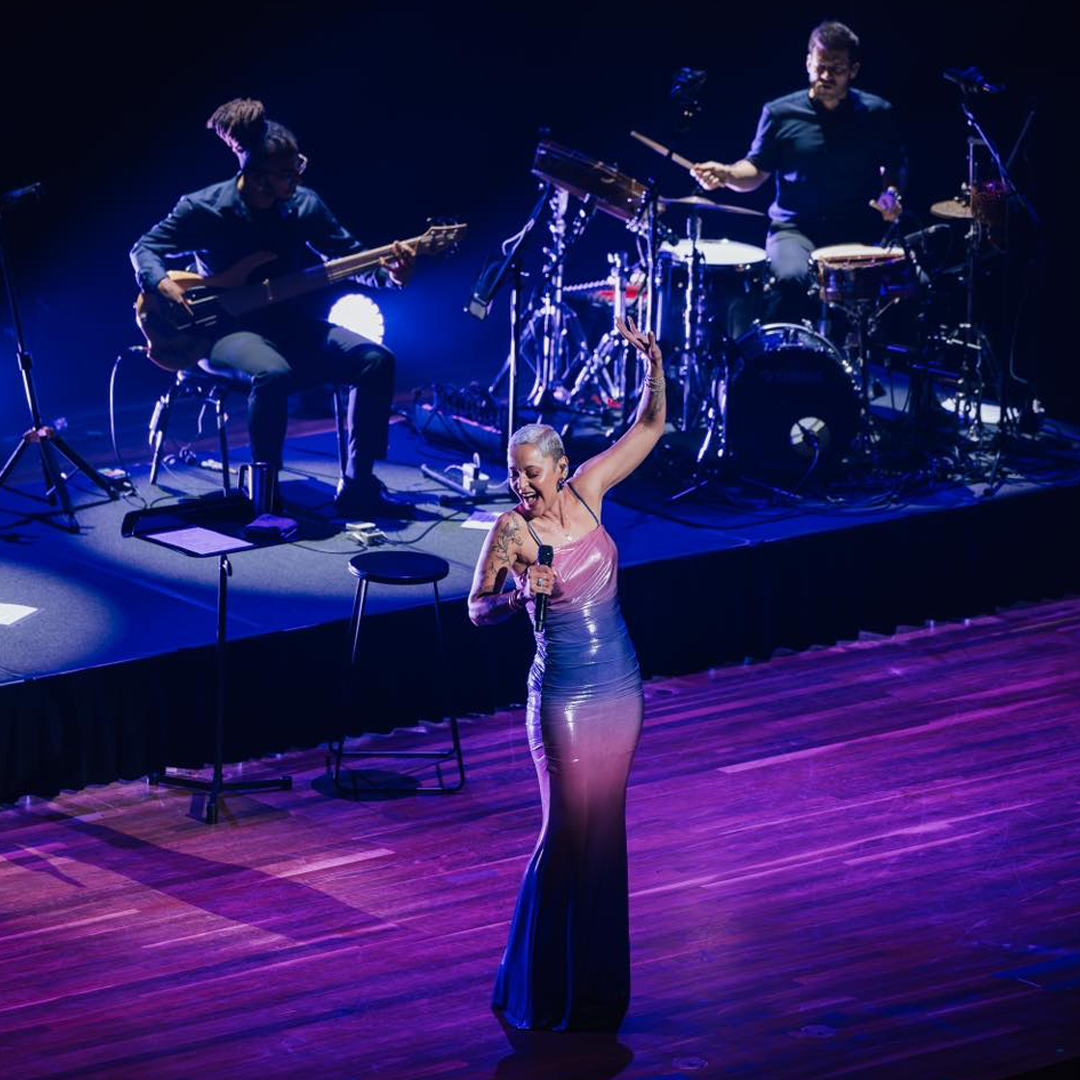
Where can you listen to Fado? If you’re not in Lisbon, don’t worry. This Thursday, November 6th at 8:00 PM, The Soraya invites you to enjoy a unique evening with Mariza, the most renowned contemporary Fado singer of our time. Join us for an unforgettable evening, where her captivating voice will envelop you, and you’ll understand why she is considered one of the greatest ambassadors of the Portuguese soul.
📅 Thursday, November 6 at 8:00 PM
📍 Younes and Soraya Nazarian Center for the Performing Arts
18111 Nordhoff St, Northridge, CA 91330
📧 thesoraya@csun.edu
📞 Tel. 818 677 3000
Buy your tickets now at The Soraya using this link and get a 20% discount and experience an unforgettable musical. One night. One voice. A journey into the soul of Portugal. 🇵🇹 #thesorayastage