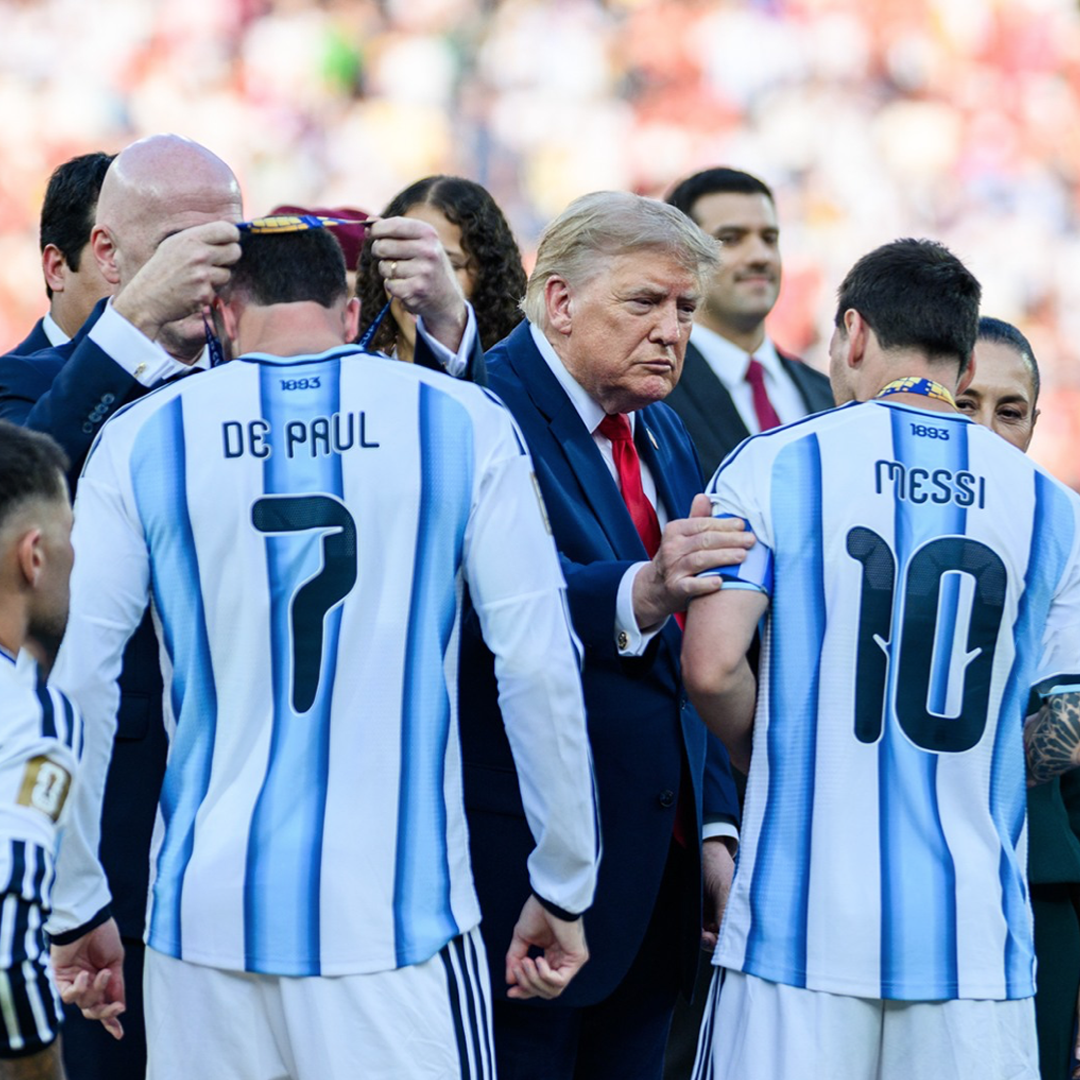
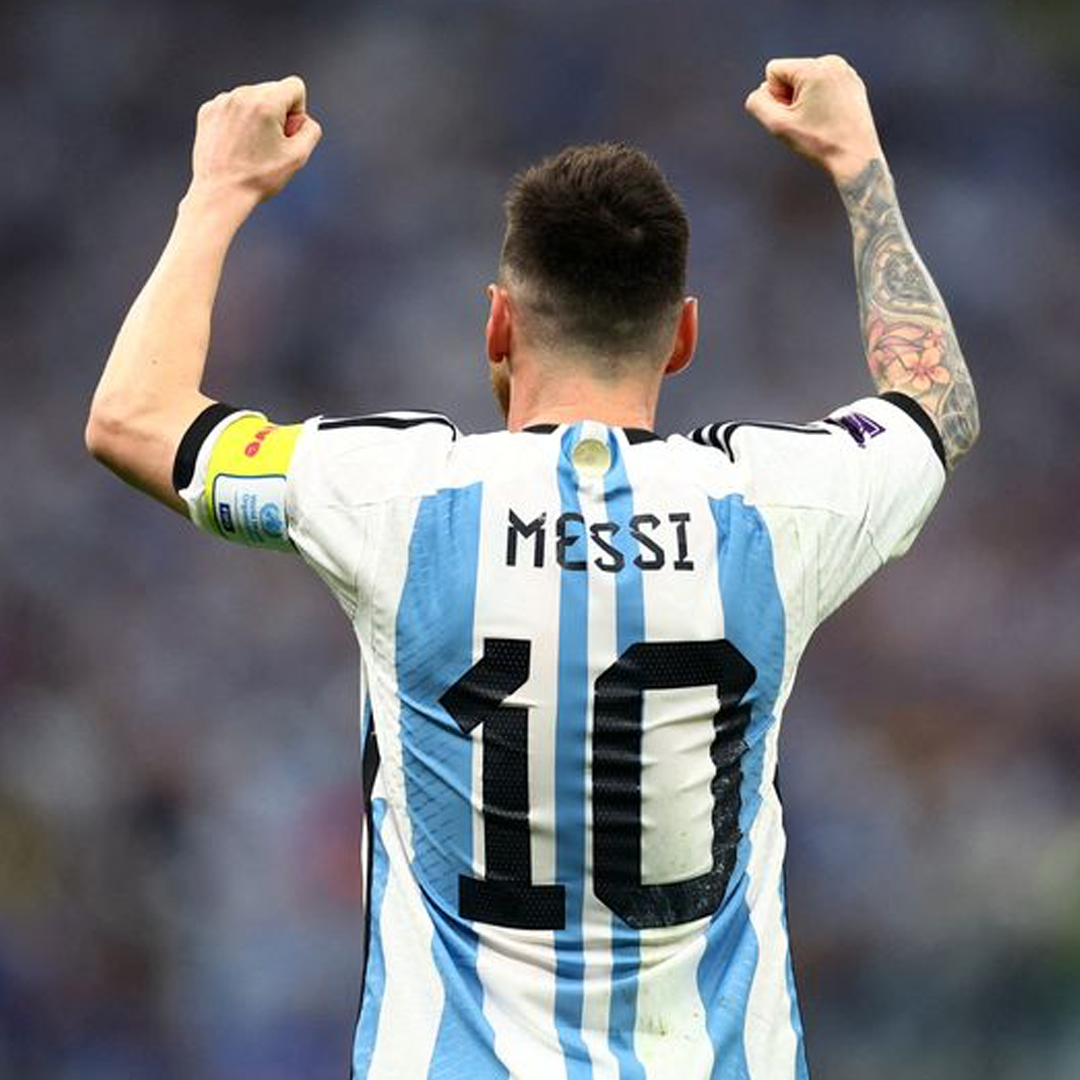
How do you replace a player who practically defined an entire generation? That is the question now facing the Argentine national team following Lionel Messi’s announcement of his retirement from the squad. At 39, the captain concludes a journey spanning over 20 years in the Albiceleste jersey, leaving behind a legacy of culture, identity, and staggering statistics. ⚽
Messi departs as a World Cup champion, a two-time Copa América winner, and Argentina’s all-time leading scorer, with 207 appearances and 125 goals. He won the Copa América in 2021 and 2024, the Finalissima in 2022, and the 2022 World Cup in Qatar. Furthermore, he led Argentina to the 2026 World Cup final, capping off his international adventure on the biggest stage imaginable. Yet, perhaps the most significant figure is this: 20 years representing a nation.
Given all that Messi achieved, it is hard to believe there was a time when he faced criticism for failing to secure a major title with Argentina. He lost finals, endured scrutiny, and even announced his initial international retirement in 2016. Yet, a transformation followed, giving rise to the Messi who changed everything for the Argentine national team. His story ultimately became one of the greatest displays of perseverance the sport has ever witnessed.
His talent also produced something rare and difficult to replicate, the ability to turn a match around in seconds. Whether through an impossible assist, a run weaving past multiple defenders, a free-kick, a clinical finish, or simply a reading of the game that seemed to anticipate the action before anyone else, he was unique. That talent helped build a global brand with value that transcends the pitch. Messi turned his name into an international platform spanning sports, entertainment, commercial partnerships, and social causes. His arrival at Inter Miami not only drove up housing costs in the city but also helped elevate the conversation around soccer in the United States and the MLS itself.
His true legacy lies off the pitch as well. For new generations, perhaps one of Messi’s greatest lessons lies precisely in his conduct.
Humility: becoming one of the most famous people on the planet while maintaining a generally down-to-earth, family-oriented public image.
Perseverance: from childhood, he faced physical challenges and a demanding process to pursue his career. His story demonstrates that talent requires constant work to transform into greatness.
Loyalty: Rosario, Argentina, his family, and his roots have always been part of his identity, even as he built a truly international life.
Empathy: he has also used his influence to help children and young people. Messi has been a UNICEF Goodwill Ambassador since 2010, and his foundation operates around three pillars: health, education, and sports.
Discipline: sustaining a career at the highest level for over two decades requires extraordinary consistency. Messi made preparation, training, and professional self-care fundamental parts of his success.
That is why his social impact may prove even more enduring than his records. Millions of children grew up watching Messi play and came to understand that being a star can also mean embodying values, helping others, and staying connected to one’s roots.
With Messi no longer in the Argentina squad, the question many are asking is: who will wear the number 10 now?
Argentina must find a player capable of taking on a jersey that belongs to two of the most important figures in its history: Diego Maradona and Lionel Messi.
The number 10 jersey will remain a massive symbol. In fact, FIFA rules prevent the official retirement of the number in major competitions, meaning Argentina will have to pass it on to a new generation.
We know many will be called upon, but only one will be chosen as the heir to the number 10 though there remains a vast difference between simply wearing the number and shouldering everything it represents. And perhaps that is precisely the key. Argentina’s next number 10 doesn’t have to be the, “new Messi” ; they need to be the first to write their own history.
Argentina will need to find creativity, personality, leadership, and the ability to decide matches, but it must also build a national team capable of competing as a unit. The Albiceleste’s own evolution in recent years demonstrated that Messi could lead a generation without having to do absolutely everything in every match.
Messi’s final message
Messi leaves Argentina with something that seemed impossible for so many years, the peace of mind of having given his all.
He departs after winning the titles that had eluded him for so long, leaving behind a generation of footballers who learned how to compete, win, and believe.
Now, a new story begins.
The jersey will remain albiceleste.
The number 10 will still carry great weight.
The passion will remain the same.🥇🏆🇦🇷
Messi has written his chapter. Now it is up to the next generation to write theirs.