Mexico’s consumer protection agency, Profeco, has been tracking prices on more than 490 products since September to check whether El Buen Fin discounts are real. The same idea works for anyone in the US getting ready for Black Friday on November 27.
El Buen Fin is Mexico’s biggest shopping event, a Black Friday-style sale that most Mexican outlets list as running from November 13 to 17, 2026. Profeco’s answer to inflated “before” prices is a free site called Quién es Quién en los Precios, which roughly means “who’s who in prices.”
A price record built before the sale
The logic is simple. If you know what a TV cost in September and October, a markup right before the sale is easy to spot. Profeco built that record through weekly price checks that started in September, according to UnoTV, and shoppers can pick a city, a category and a product to see how its price has moved.
The tool exists for a reason. After the 2025 edition, Profeco publicly named stores it said had faked discounts during El Buen Fin.
Black Friday shoppers can build their own
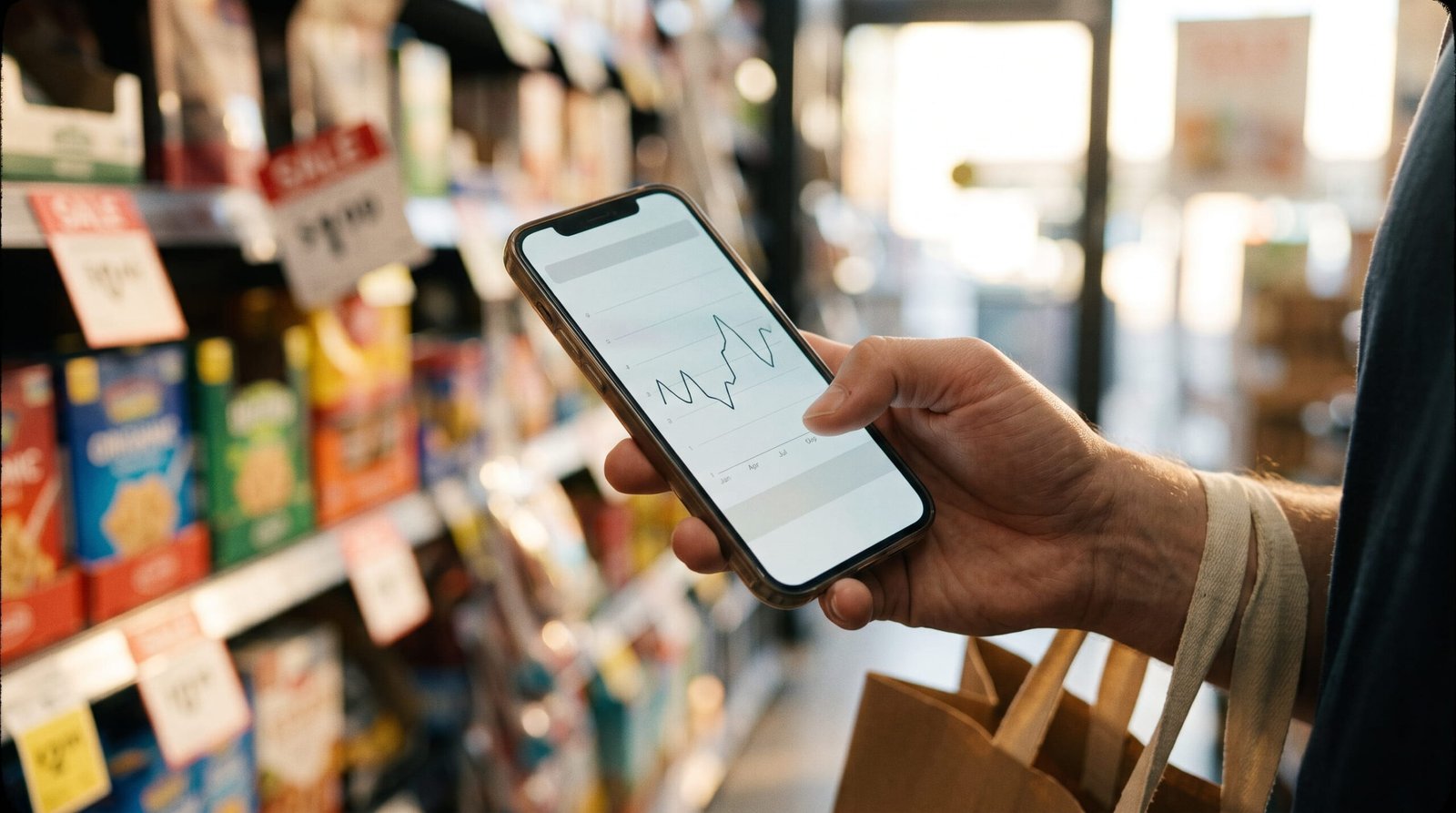
There’s no government price tracker in the US, but the same check is free to do yourself. Google offers price insights and price history on product searches, a feature it says is available to US shoppers.
For Amazon, sites like CamelCamelCamel and Keepa chart an item’s price over time, so you can see whether today’s “deal” is lower than last month’s regular price or just back to where it started.
What a real “was” price looks like
The Federal Trade Commission’s Guides Against Deceptive Pricing say a former price used in a sale comparison should be one the item was openly offered at, for a reasonable stretch of time, in the recent past. If the “was” price never shows up in the item’s price history, treat the discount as marketing, not savings.
Small cuts deserve a second look too. The FTC’s own example of a misleading claim is an item “reduced to $9.99” when it used to cost $10.
Pick the three things you plan to buy on Black Friday and start tracking their prices today.