For 37 days, the planet altered its summer routine. Gatherings were organized around the matches, 104 in total, schedules revolved around the ball, and even those who usually said “soccer” ended up calling it by its true name: fútbol. 🏆🌎⚽
The FIFA World Cup 2026™ was the first tournament to feature 48 teams, three host nations, and millions of people sharing the same excitement. Mexico once again electrified the legendary Estadio Azteca with an unforgettable opening ceremony, making history as the only venue in the world to host three FIFA World Cups (1970, 1986, and 2026). Meanwhile, the United States showcased spectacular venues, and Canada wrote its own chapter in the tournament’s history.
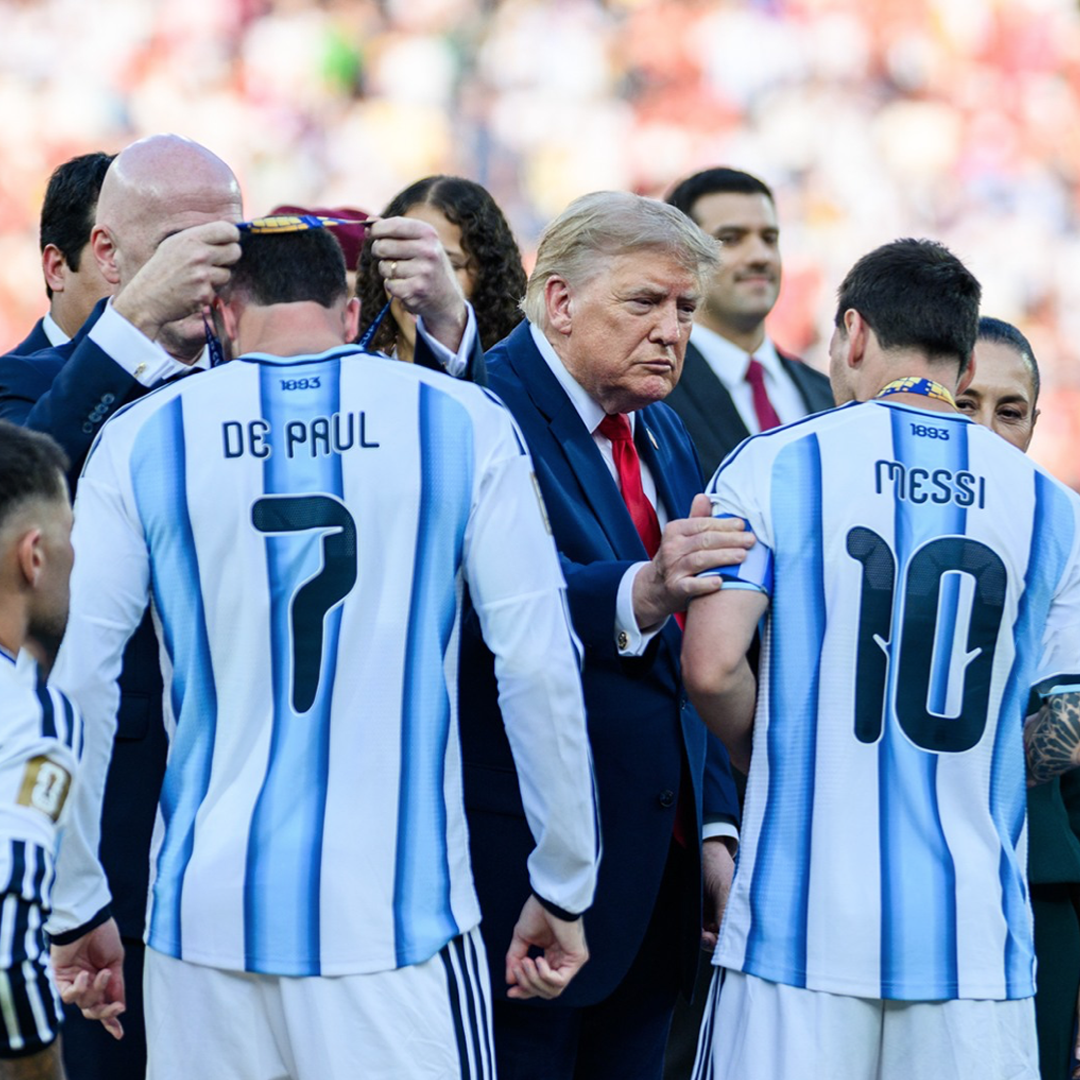
In the final match of The FIFA World Cup 2026™, Spain lifted the trophy, proving they play the best football and demonstrating that such success stems from teamwork. With a generation brimming with talent and youth, balance, and confidence, these virtues confirmed that great stars shine even brighter when playing as friends, where each individual contributes their unique skills for the good of the group to achieve their goals.
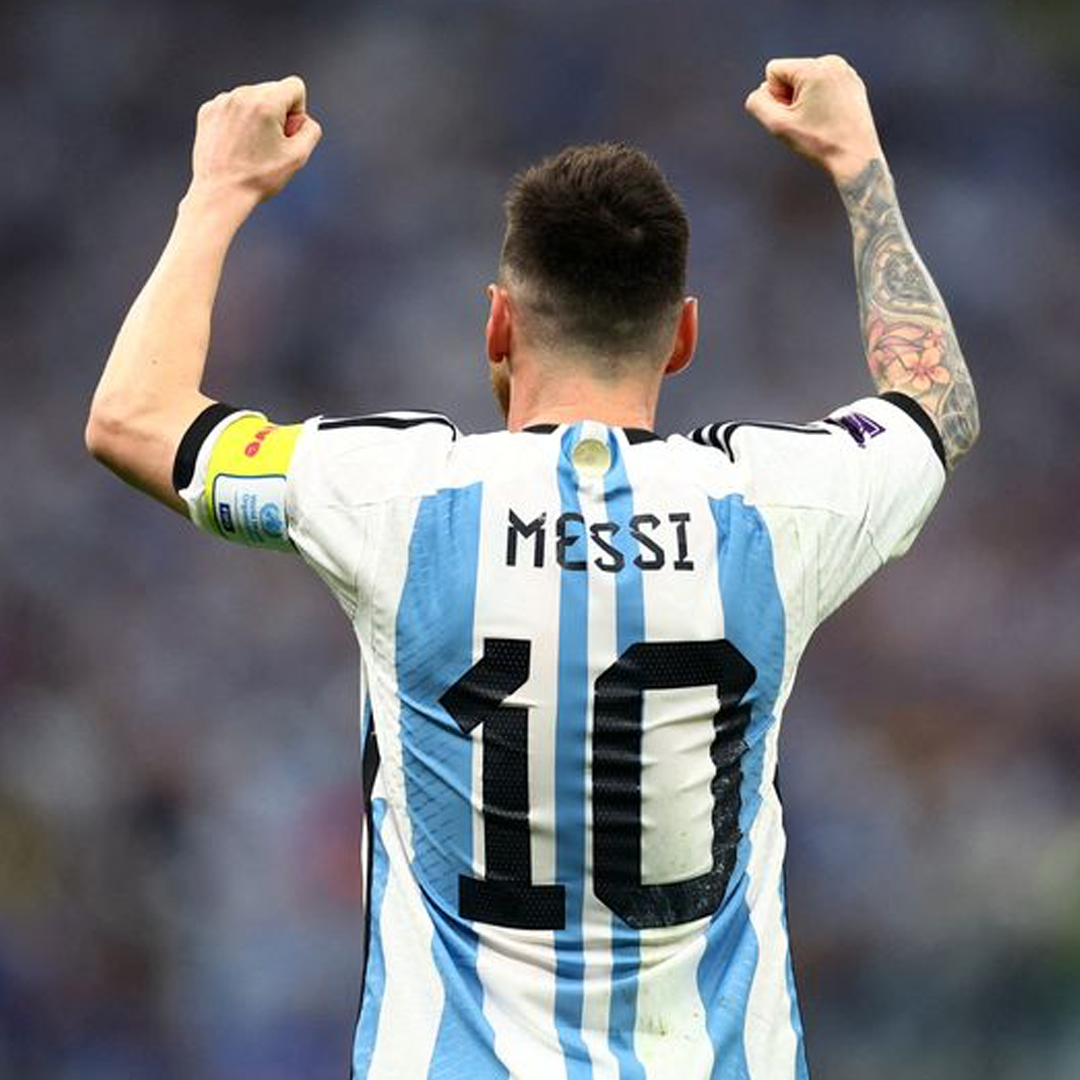
And while a new champion emerged, legends continued to write unforgettable chapters. Lionel Messi once again thrilled the world with eight goals and four assists in another memorable World Cup. Kylian Mbappé finished as the top scorer with ten goals, and Erling Haaland confirmed his elite status with seven, while Harry Kane and Jude Bellingham also left their mark. Cristiano Ronaldo, Neymar Jr., and Guillermo Ochoa once again demonstrated the power of careers that inspire multiple generations by competing in yet another World Cup.
But this World Cup was also defined by unexpected stories. Cape Verde captured the hearts of millions during their debut World Cup appearance. Hailing from a small country but possessing a giant heart, the team stunned the world with memorable performances and a goalkeeper, Vozinha, who was actually scouted via LinkedIn. He turned every match into a display of dedication and passion, reminding us that in football, dreams can wear the jerseys of national teams few ever imagined would make it so far.
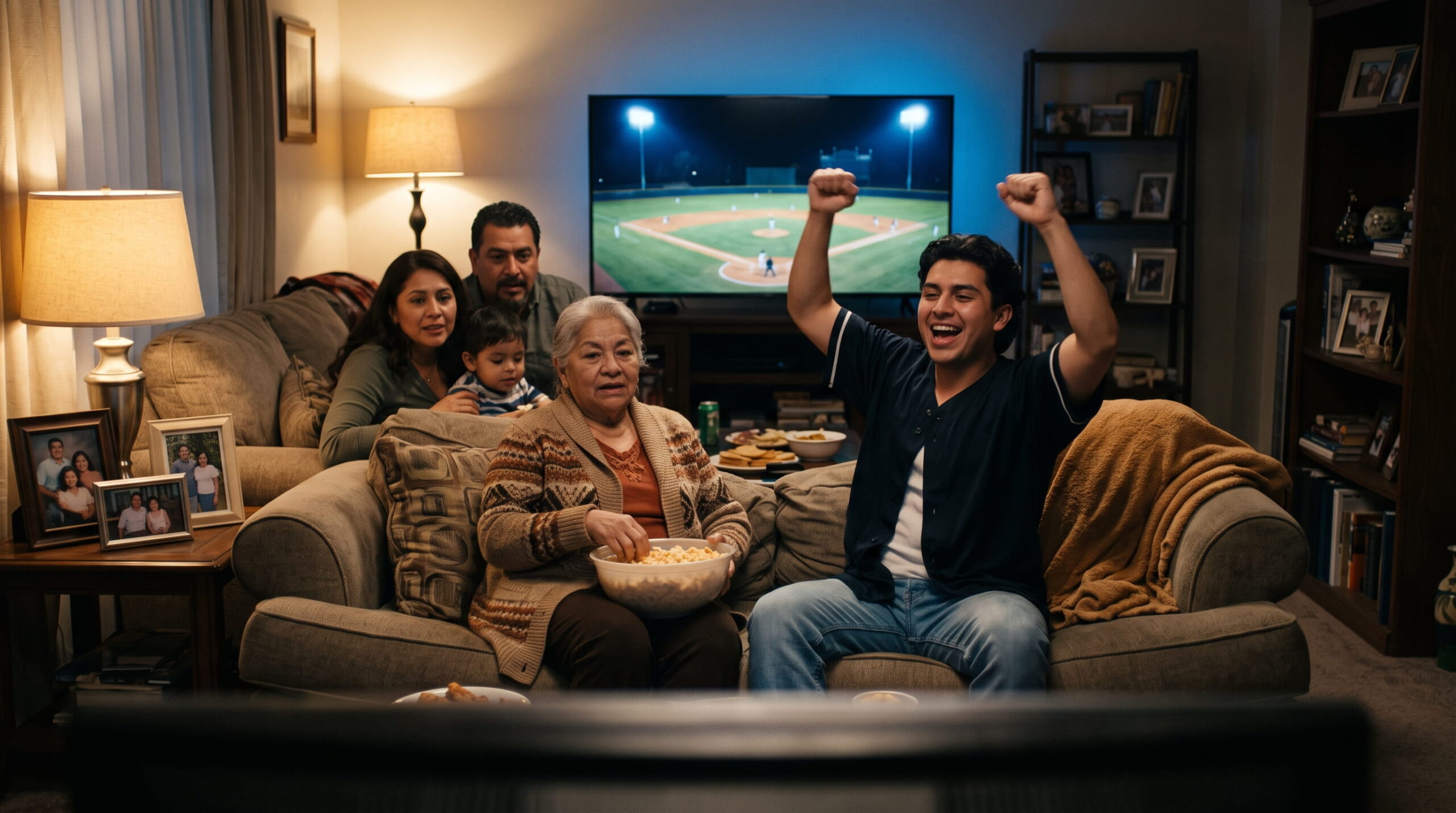
There were impossible goals, incredible comebacks, packed stadiums, new rules, viral moments, celebrations that went global, and debates that kept the conversation alive day after day. After all, a World Cup is played not just on the pitch, but in the streets, on social media, in gatherings with friends, and in every corner where someone celebrated a goal as if they were right there in the stands.
Now, the final whistle marks the close of another unforgettable chapter. What remains are the photographs, the chants, the surprises, the new heroes, and the legends who continued to make history. The memory that only a World Cup can bestow will remain: uniting millions of people through a shared emotion for just over a month that left behind historic milestones:
Massive attendance: The tournament surpassed the 6.5 million mark for stadium spectators, shattering the previous record set at USA 1994 (3.5 million) and recording an average capacity of 99.7%.
Longest unbeaten streak: Spanish goalkeeper Unai Simón set a new record by going 609 consecutive minutes without conceding a goal in World Cup play. Legends across six World Cups: Lionel Messi, Cristiano Ronaldo, and Guillermo Ochoa became the first footballers to compete in six editions of the World Cup.
Lionel Messi’s records: The Argentine star cemented his status as the player with the most matches, minutes played, and assists in World Cup history (surpassing Diego Armando Maradona), while also becoming the first to score in seven consecutive matches of the tournament.
Veteran leadership: Dutch coach Dick Advocaat (managing Curaçao) broke the record for the oldest manager to lead a team at a World Cup, doing so at the age of 78.
Global TV viewership records were also broken: The FIFA World Cup 2026™ final between Spain and Argentina is estimated to have reached a global audience of over 1.5 billion people, surpassing the figures from the Qatar 2022 final and establishing itself as the most-watched sporting event in television history.
Another figure who made history at this World Cup was David Beckham; as a key figure for the sport in the USA, he served as the face of 12 advertising campaigns.
The World Cup ball rests once more for four years; for now, domestic leagues and club competitions return. Such is the nature of this sport, which always finds a way to bring fans together again from all corners of the globe. Today marks the start of the countdown to the next World Cup, a tournament where new stars will emerge, new nations will surprise us, and millions of fans will once again believe that any story is possible when the ball starts rolling.
A World Cup has ended, but the passion lives on. Thank you for every goal, every emotion, and every shared story.
Desde hoy comienza la cuenta regresiva para volver a vivir la fiesta más grande del planeta. See you at the next The FIFA World Cup 2030™ !