
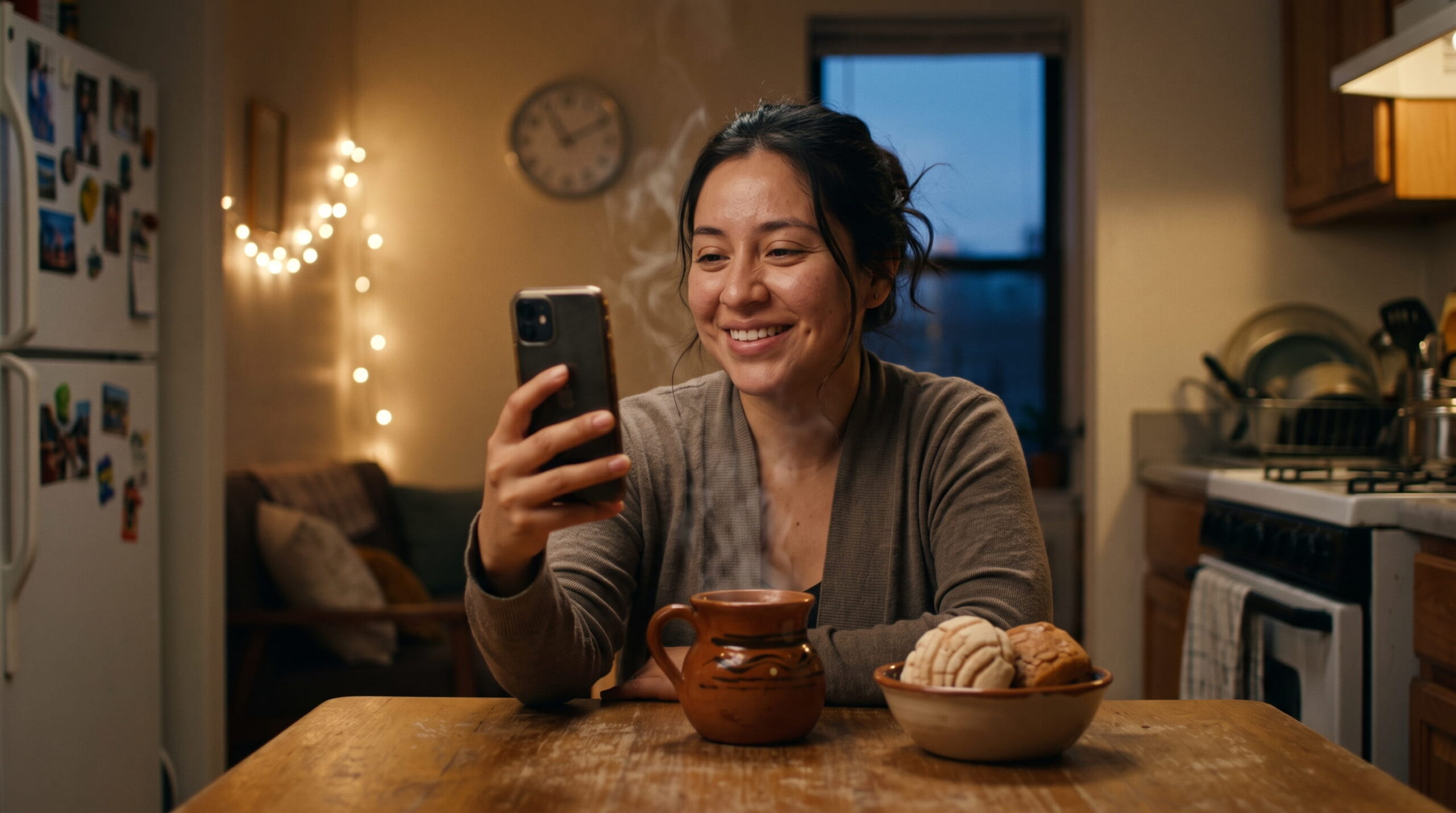
On Sunday, November 1, 2026, clocks in most of the U.S. fall back one hour at 2 a.m., but most of Mexico won’t move at all. That means the time difference with family in Mexico City, Guadalajara or Monterrey changes overnight, and so does your usual Sunday call with mamá.
If you live in Los Angeles, Mexico City will suddenly be two hours ahead instead of one. In #Chicago or Houston, you’ll be on the same time as CDMX. Here’s how it works, city by city.
When does the time change in November 2026?
Daylight saving time in the U.S. ends at 2 a.m. local time on Sunday, November 1, 2026, when clocks fall back to 1 a.m., according to the National Institute of Standards and Technology (NIST). The rule is always the same: the first Sunday of November.
Not every place in the U.S. changes. NIST lists Hawaii, Arizona (except the Navajo Nation), Puerto Rico, Guam, American Samoa and the U.S. Virgin Islands as areas that don’t observe daylight saving time.
Does Mexico change its clocks in November 2026?
Most of Mexico does not change its clocks in November 2026. Under Mexico’s Ley de los Husos Horarios, in force since 2022, a seasonal schedule applies only along the northern border, ending at 2 a.m. on the first Sunday of November, the same night as in the U.S.
As of October 2026, only these areas of Mexico change their clocks:
- Baja California: the entire state, including Tijuana, Mexicali and Ensenada.
- Chihuahua: Juárez, Janos, Ascensión, Praxedis G. Guerrero, Guadalupe, Coyame del Sotol, Ojinaga and Manuel Benavides.
- Coahuila: 11 border municipalities, including Piedras Negras and Acuña.
- Nuevo León: Anáhuac only.
- Tamaulipas: 10 municipalities, including Nuevo Laredo, Reynosa and Matamoros.
Everywhere else, from CDMX to Oaxaca to Yucatán, the clock stays put. So if your familia lives in Tijuana or Ciudad Juárez, nothing changes between you and them. If they live in Puebla or Jalisco, it does.
What changes for your calls home, city by city
Mexico City stays on the same time all year. The U.S. moves back one hour. The result:
| You live in | Mexico City before Nov. 1 | Mexico City after Nov. 1 |
|---|---|---|
| Los Angeles, Seattle, Las Vegas | 1 hour ahead | 2 hours ahead |
| Phoenix (no time change) | 1 hour ahead | 1 hour ahead |
| Denver, Salt Lake City | Same time | 1 hour ahead |
| Chicago, Houston, Dallas | 1 hour behind | Same time |
| New York, Miami, Atlanta | 2 hours behind | 1 hour behind |
A real-life example: if you call your abuela in CDMX every Sunday at 7 p.m. from L.A., that call lands at 9 p.m. her time after November 1, not 8 p.m. If she goes to bed early, move it up an hour.
The same logic applies beyond Mexico. Guatemala, El Salvador, Honduras, Nicaragua, Colombia, Peru, Ecuador, Venezuela, the Dominican Republic and Puerto Rico don’t observe daylight saving time in 2026, according to timeanddate.com. Your gap with family there shifts by one hour too.
Cuba is different: it also turns its clocks back on November 1, so the difference between Miami and Havana stays the same.
Quick checklist before Sunday, November 1
- Look up which city your family is in and whether it’s on the border list above.
- Update the time of any recurring video call or group chat “llamada familiar.”
- Double-check flights, bus tickets or rides to Mexico booked for that weekend: arrival and departure times are always local.
- Recheck any shared calendar invite with relatives abroad for after November 1.
- Tell the group chat. Someone always shows up an hour early.
The change lasts until spring. In 2027, U.S. clocks spring forward again on the second Sunday of March, and the gaps flip back.
The clocks change, the familia doesn’t: set the new time and keep that Sunday llamada going.